

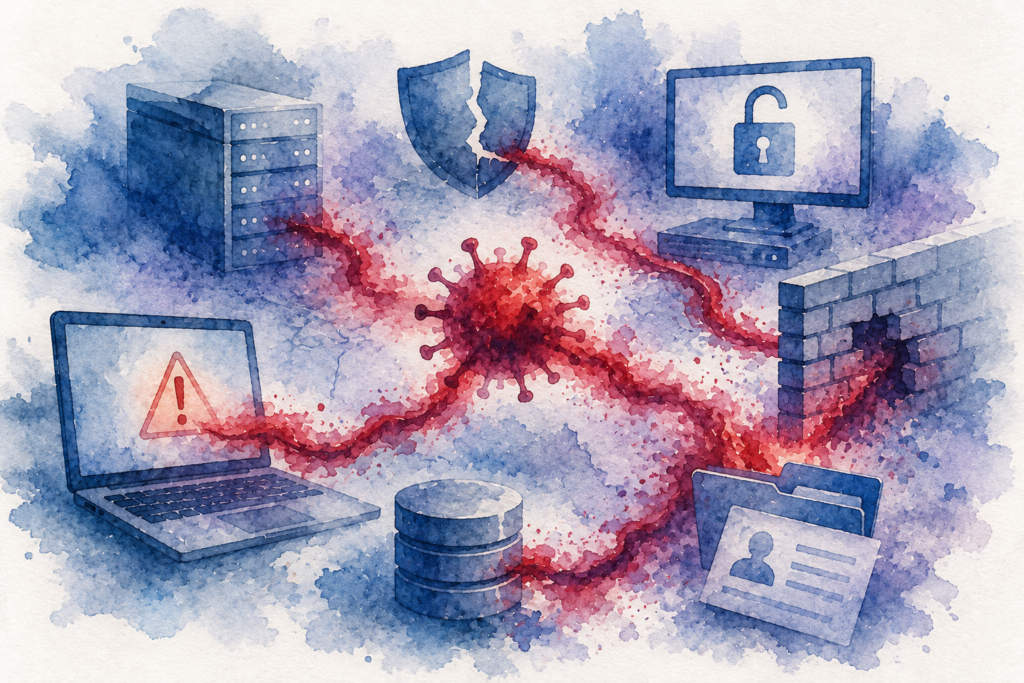
Strengthening Cyber Resilience Across Management Servers And Data Breaches
Recent incidents across management platforms, collaboration tools and customer databases show how a single weak point can trigger widespread operational and reputational damage. Whether attackers exploit an authentication bypass in a trusted management server, a remote code execution flaw in collaboration software or an extortion-driven data breach, the patterns are clear: prevention depends on robust controls, timely updates and clear incident-response plans. The following sections unpack each scenario and highlight practical steps to strengthen your overall security posture.
Securing Enterprise Management Servers against Unauthorized Access
A critical authentication bypass vulnerability (CVE-2026-35616) has been identified in FortiClient Enterprise Management Server (EMS), the centralized console that pushes configurations and software to endpoint clients. Attackers who exploit this flaw can gain unauthorized access to EMS, turning routine administrative channels into distribution networks for undocumented credential-stealing malware, referred to as EKZ. Once deployed, this malware harvests credentials that may grant further access across the network, especially if those credentials carry broad privileges or are reused.
This scenario underscores two recurring risks: first, the outsized impact of vulnerabilities in privileged infrastructure, and second, the way credential theft amplifies follow-on attacks. Because EMS typically enjoys implicit trust from endpoints, malicious instructions can spread rapidly before detection. Mitigation hinges on hardening authentication controls around management servers, implementing least-privilege policies for administrative accounts and continuously monitoring EMS activity for unusual login attempts or configuration changes. In the event of suspected compromise, isolating the server and conducting forensic analysis can help contain the threat and limit downstream exposure.
Strengthening Patch Management for Legacy and Mixed IT Environments
A critical remote code execution flaw in Microsoft SharePoint (CVE-2026-45659) carries a CVSS score of 8.8 and affects multiple on-premises SharePoint server versions. Because many organizations run a mix of legacy and current deployments in parallel, pinpointing all vulnerable instances poses logistical challenges. Automated scanning or exploitation tools can easily target unpatched servers, making timely remediation a high priority.
Key themes emerge from this advisory: maintaining an accurate inventory of software versions and configurations, coordinating updates to minimize business disruption and validating successful patch deployment across all environments. Start by mapping SharePoint installations and cross-referencing them with the updated advisory. Next, schedule patches in alignment with maintenance windows, ensuring rollback plans are in place. Finally, monitor SharePoint logs for signs of unusual activity, such as unexpected code execution attempts, to detect any exploitation before it escalates. A disciplined patch management process, combined with clear visibility into IT assets, reduces the attack surface and limits the window of opportunity for attackers.
Navigating Extortion-Driven Data Breaches and Long-Term Resilience
Charter Communications recently disclosed that an early-April incident exposed personal data for roughly 4.9 million customer accounts, with the ShinyHunters extortion group claiming responsibility. While the exact categories of compromised information remain unspecified, such incidents commonly involve names, addresses and billing records. The involvement of an extortion-minded actor highlights the financial motivations that often follow data theft, adding pressure on organizations to decide whether to negotiate or refuse and face potential public data release.
This breach illustrates the importance of rapid detection, transparent communication and comprehensive incident-response readiness. Third-party monitoring services may surface incidents before an official statement, so response teams must be prepared to verify and contain breaches under tight deadlines. Beyond immediate mitigation, the operational fallout, customer inquiries, credit-monitoring offers, legal fees and compliance reviews, can extend for months or years. Strengthening resilience involves enhancing data-exfiltration monitoring, reinforcing access controls around sensitive customer records and refining communication protocols with notification platforms. A clear incident-response playbook, exercised regularly, helps balance legal, regulatory and reputational considerations when extortion demands arise.
Protecting your organization against modern cyber threats requires a blend of proactive vulnerability management, continuous monitoring and rigorous incident-response planning. Whether safeguarding privileged management servers, maintaining up-to-date software across diverse environments or preparing for extortion-driven data breaches, these practices work together to reduce risk and limit impact. By identifying critical assets, closing gaps quickly and refining response procedures, your organization builds the resilience needed to face evolving threats with confidence.
Yobihouse offers high-level support in assessing your security posture, from vulnerability prioritization and patch management to incident-response planning and tabletop exercises. Its teams work alongside yours to develop clear asset inventories, implement monitoring for unusual activity and fine-tune notification protocols. With expertise in compliance frameworks and industry best practices, Yobihouse helps you maintain visibility into critical systems, manage remediation efforts and bolster long-term resilience without promising legal certainty or guaranteed outcomes.